In the search for sustainable solutions in architecture, the bioclimatic design has gained prominence. This discipline seeks to take advantage of natural resources and adapt buildings to the environment, maximizing energy efficiency and interior comfort. In this article, we will explore the principles of bioclimatic design and how they are applied in sustainable architecture, highlighting their environmental and economic benefits.
Bioclimatic design is an architectural strategy that seeks to optimize the energy performance of buildings through the use of natural elements. This involves considering factors such as solar orientation, natural ventilation, the use of natural light and the use of suitable materials. By integrating these elements from the design stage, a healthy and efficient interior environment is created, thus reducing energy consumption and carbon emissions.
First, by harnessing natural resources, energy costs are reduced in the long term, since dependence on artificial systems is reduced. In addition, the quality of life of occupants is improved by providing more comfortable and healthy spaces, with adequate natural lighting and adequate ventilation. In addition, by reducing energy consumption, the environmental footprint of buildings is reduced, thus contributing to the mitigation of climate change.
There are several strategies and techniques for implementing bioclimatic design in sustainable architecture. Some of the most common include:






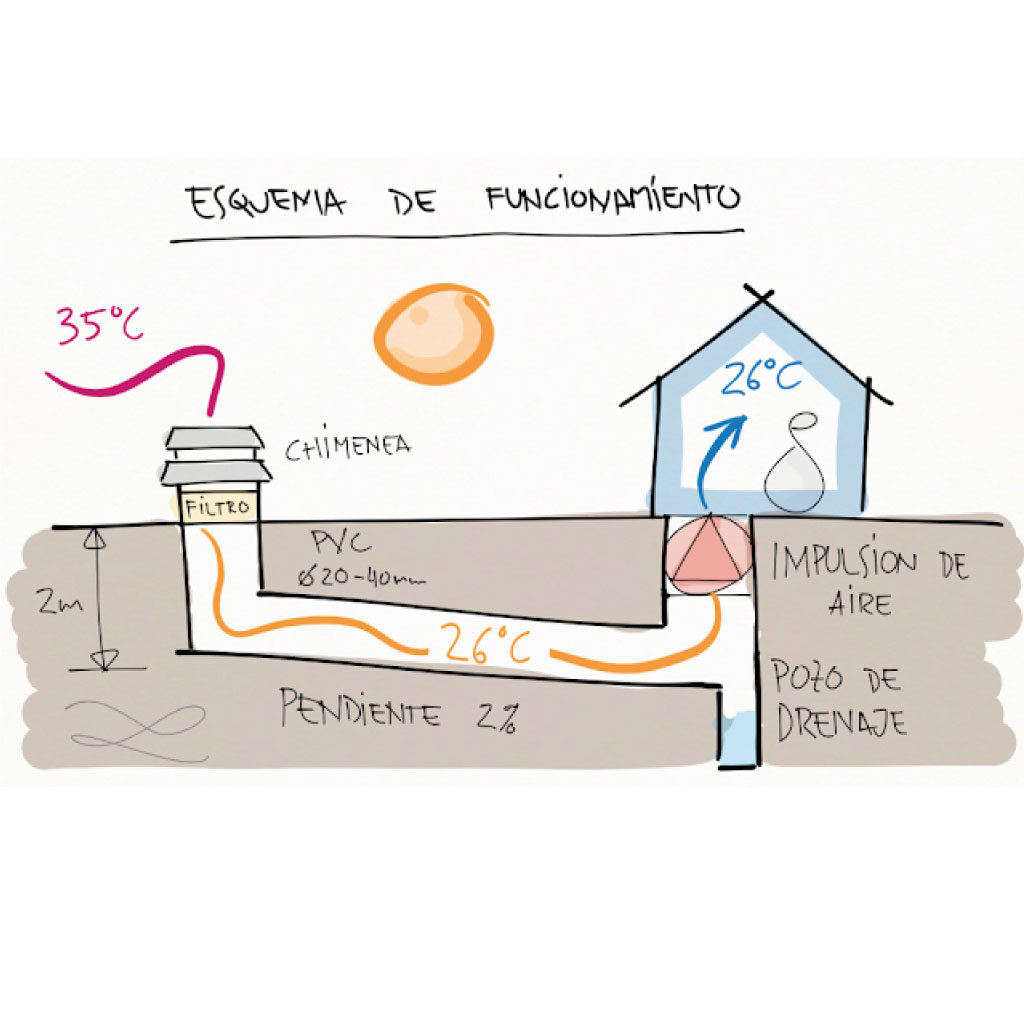


Source: AngelSinoncencio.com
Bioclimatic design is a powerful tool in sustainable architecture that allows maximizing the use of natural resources and minimizing the environmental impact of buildings. By taking advantage of local weather patterns and adapting designs accordingly, we can achieve buildings that are more efficient and comfortable for their occupants.
If you want to know more about sustainable strategies and green building certifications, contact us here.
Leaf Global. Copyright © 2026. All rights reserved.