The circular economy is an economic model that seeks to reduce the environmental impact of production and consumption, minimizing the generation of waste and encouraging the reuse and recycling of materials. In the context of building, the circular economy focuses on the efficient management of resources and the reduction of the environmental impact of buildings throughout their life cycle.
The circular economy is opposed to the linear economy, which is based on the extraction of resources, the production of goods, the consumption and disposal of waste. The circular economy seeks to close the material cycle, reusing and recycling the waste generated for the production of new goods and services.
Source: Resistible
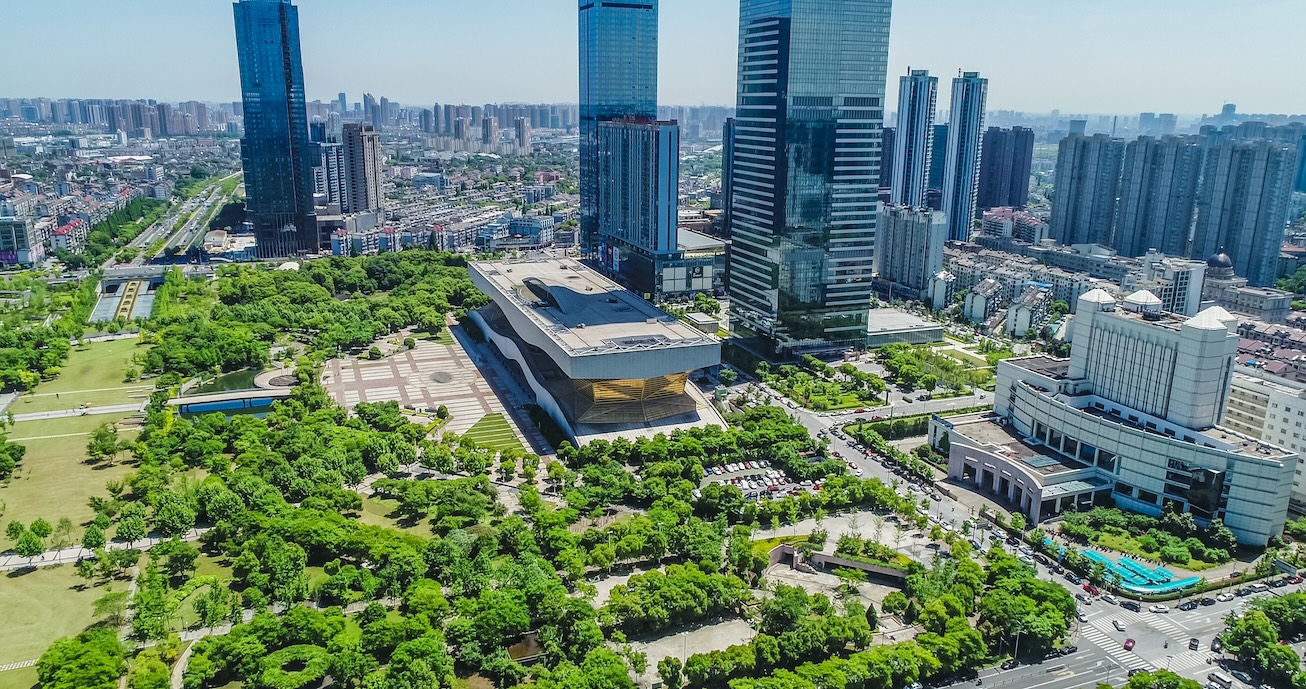
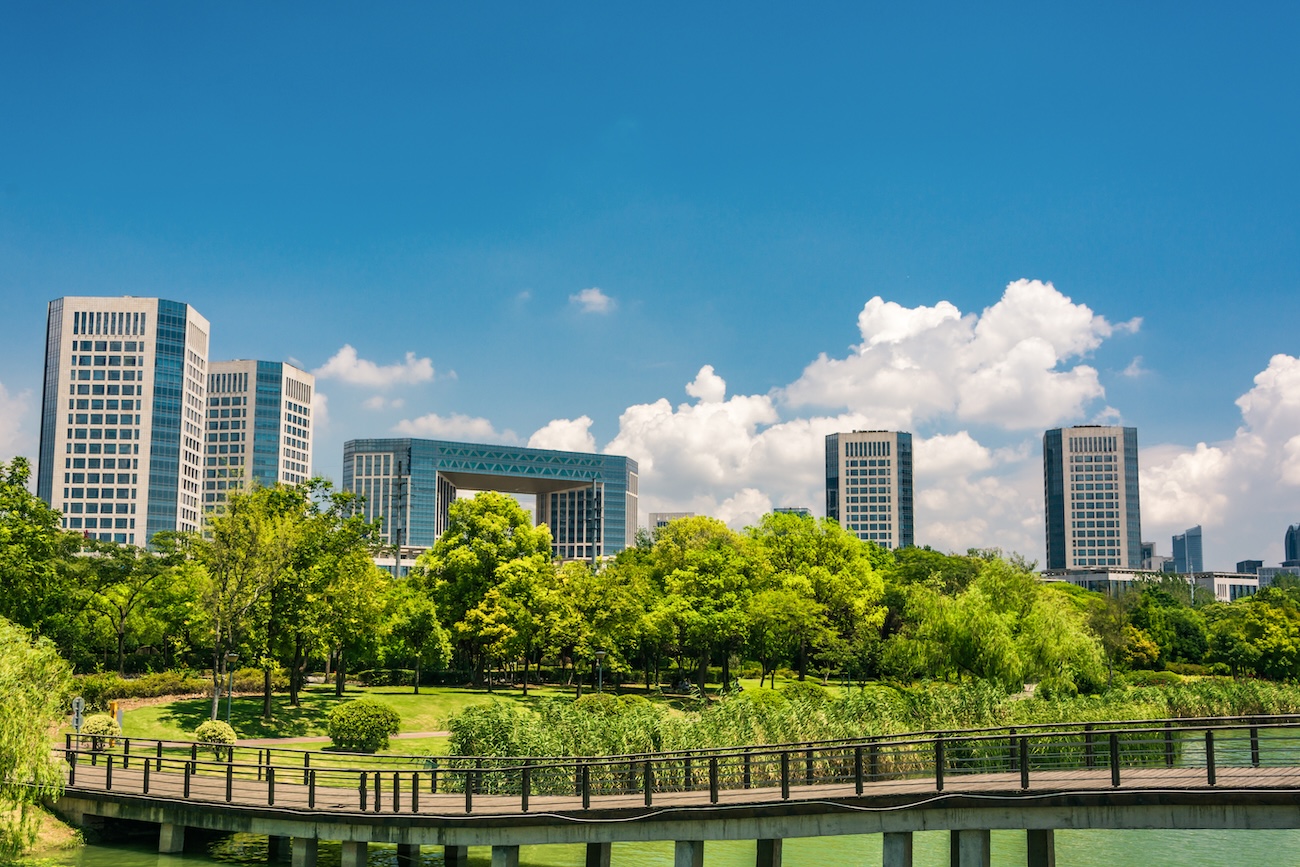
In a city with a circular economy, buildings and infrastructures are designed to maximize resource efficiency and minimize waste generation. The reuse and recycling of materials is encouraged, and the local economy and collaboration between companies and citizens for waste management are promoted.
The main characteristics of a “circular” city are:

Source: gbce.es
Leaf Global. Copyright © 2026. All rights reserved.