ESG (Environmental, Social and Governance) factors involve fundamental concepts for caring for the environment, society and the type of governance within a company. It has also become a vital strategy for the construction industry, as they drive business growth while building a more sustainable, equitable and ethical future for society.
As we well know, buildings are one of the biggest contributors to environmental pollution. According to the U.S. Energy Information Administration, buildings account for nearly half of annual energy consumption and CO₂ emissions in the U.S. Therefore, this industry has the greatest opportunity and responsibility to reduce its greenhouse gas emissions.
At present, the Stakeholders in the real estate and construction sector, they use sustainable certifications as a parameter to demonstrate their ESG credentials to their clients. These certifications most used in Latin America are WELL, EDGE, LEED.
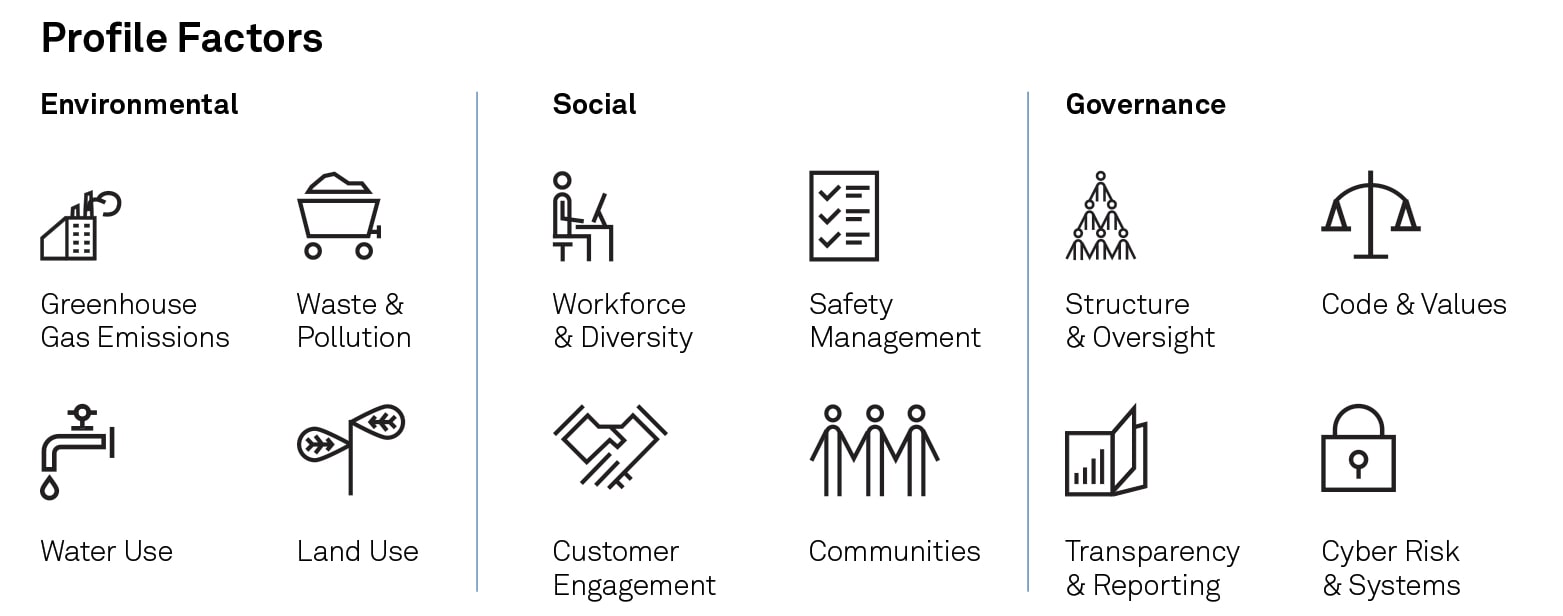
S&P Global Ratings has created an atlas so that we have a macro view of ESG factors and what risks each category evaluates around the world.
Source: spglobal.com
Good management of stakeholders (Stakeholders) may result in a better ESG score. In general, the ESG score measures a company's immunity to financial risks related to long-term ESG criteria. Currently, the ESG ranking is used to assess the risk associated with future earnings or the volatility of earnings per share.
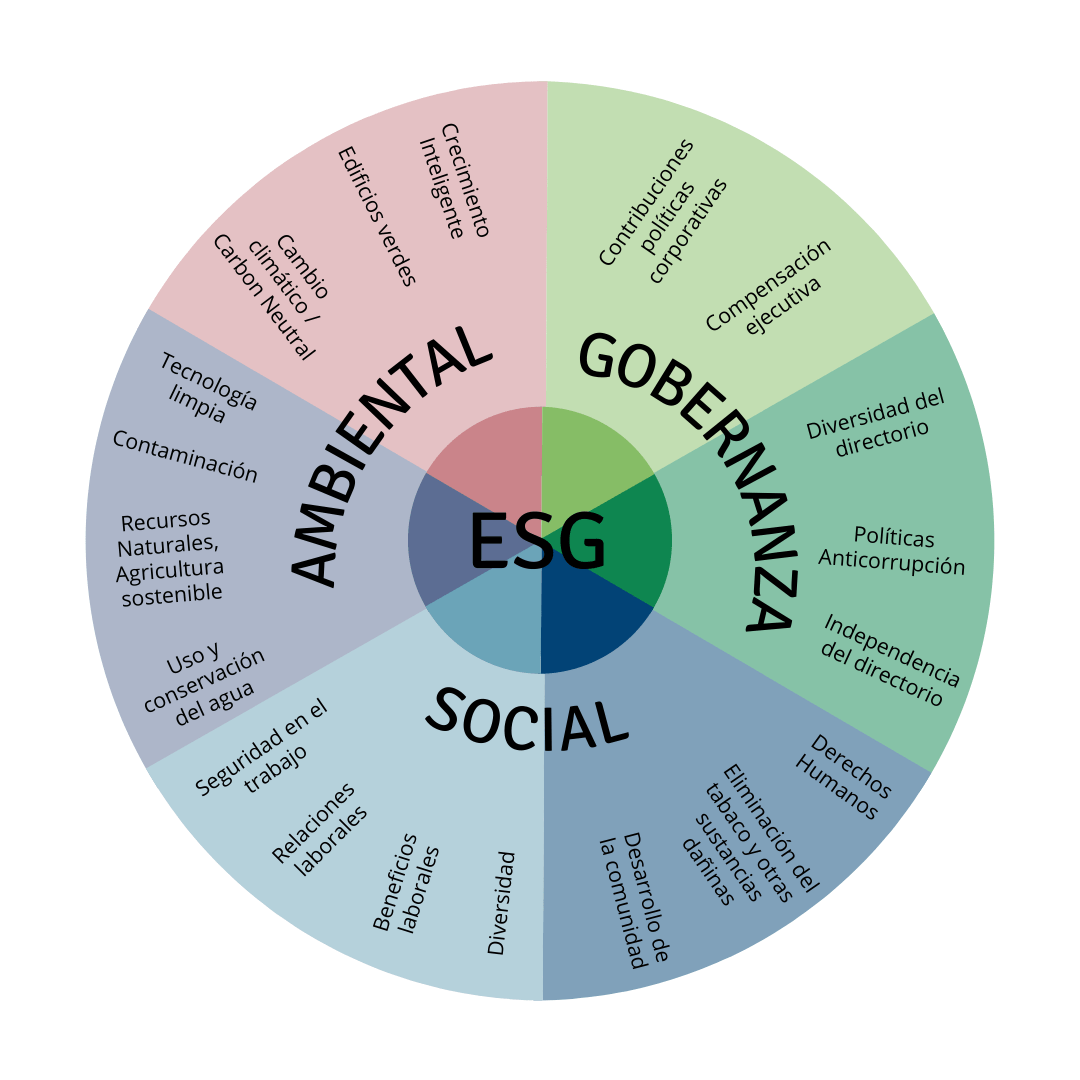
Source: ussif.org/sribasics | Own elaboration
LEED certification achieves improvements for businesses, people and the environment.
Remember that to achieve LEED certification, you must achieve points in all of the following categories:
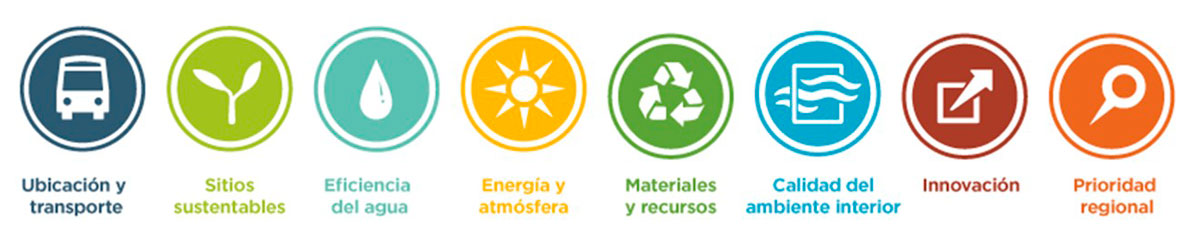
This is aligned with the good practices that each category of the ESG ranking seeks to obtain shown in the previous image, therefore, sustainable LEED certification is a good parameter for demonstrating ESG credentials.
If you want advice with LEED certification and ESG strategies, write to us at cesar@leaflatam.com so that our consultant can accompany you and advise you in the process.
Leaf Global. Copyright © 2026. All rights reserved.