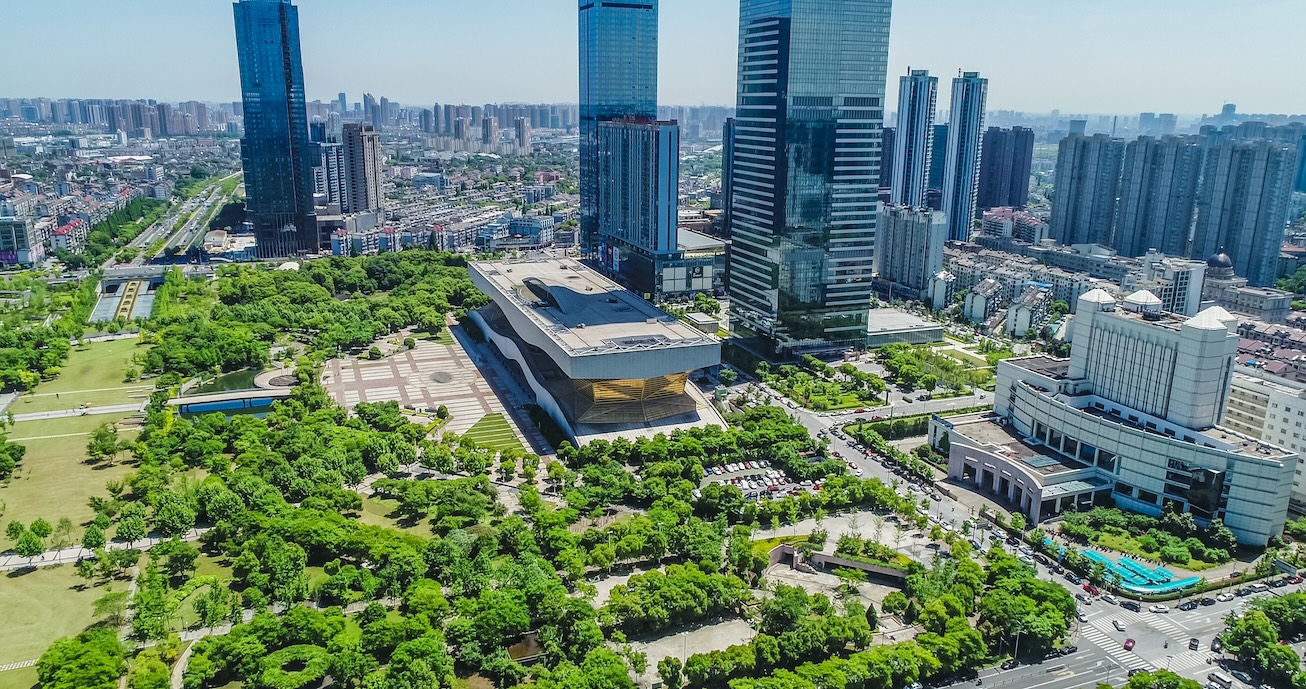
Interest in sustainability in the construction sector has grown significantly in recent years, driven by the need to combat climate change and meet the Sustainable Development Goals.
Sustainability in construction has become a key factor, with green certifications that evaluate and improve the environmental impact of buildings.
Currently, there are a number of green certifications that guarantee the environmental efficiency of a project. In this blog, some of the main and most recognized green certifications for the built environment will be presented, highlighting their characteristics and the types of projects in which they can be applied.
Green certifications are a recognition of the sustainability and respect for the environment in the construction and operation of buildings. These certifications evaluate and verify building construction, design and operation elements and procedures, ensuring that they meet strict sustainability standards.
Obtaining a green certificate not only demonstrates a genuine commitment to reducing environmental impact, but it also promotes the conservation of natural resources.
In a world that is increasingly aware of climate change, having a green certification is an effective tool to stand out in the construction sector and show leadership in sustainable practices.
Obtaining a green certification can have numerous benefits for businesses and building owners. Some of the most notable benefits include:
When choosing a green certification, it's important to consider several criteria to ensure that it meets the specific needs of the project. Some of the most important criteria include:
Developed by the U.S. Green Building Council (USGBC), LEED is widely recognized globally and evaluates criteria such as site location and management, energy efficiency, water use, sustainable materials and indoor air quality.
This certification applies to projects that seek a comprehensive approach to sustainability in different sectors, such as residential, commercial buildings, hospitals and educational centers.
It is ideal for those who seek to optimize the use of resources and improve the indoor environmental quality of their spaces. In addition, LEED evaluates the reduction of carbon emissions in construction projects, highlighting its relevance in the fight against climate change.
Created by the International Finance Corporation (IFC), the EDGE certification provides a quick analysis of projects through specialized software that evaluates the consumption of energy, water and construction materials. Its approach focuses on making buildings more efficient in terms of resources, contributing to the reduction of their environmental footprint.
It's an ideal option for projects seeking to improve efficiency in an accessible way, especially in emerging markets and with limited budgets.

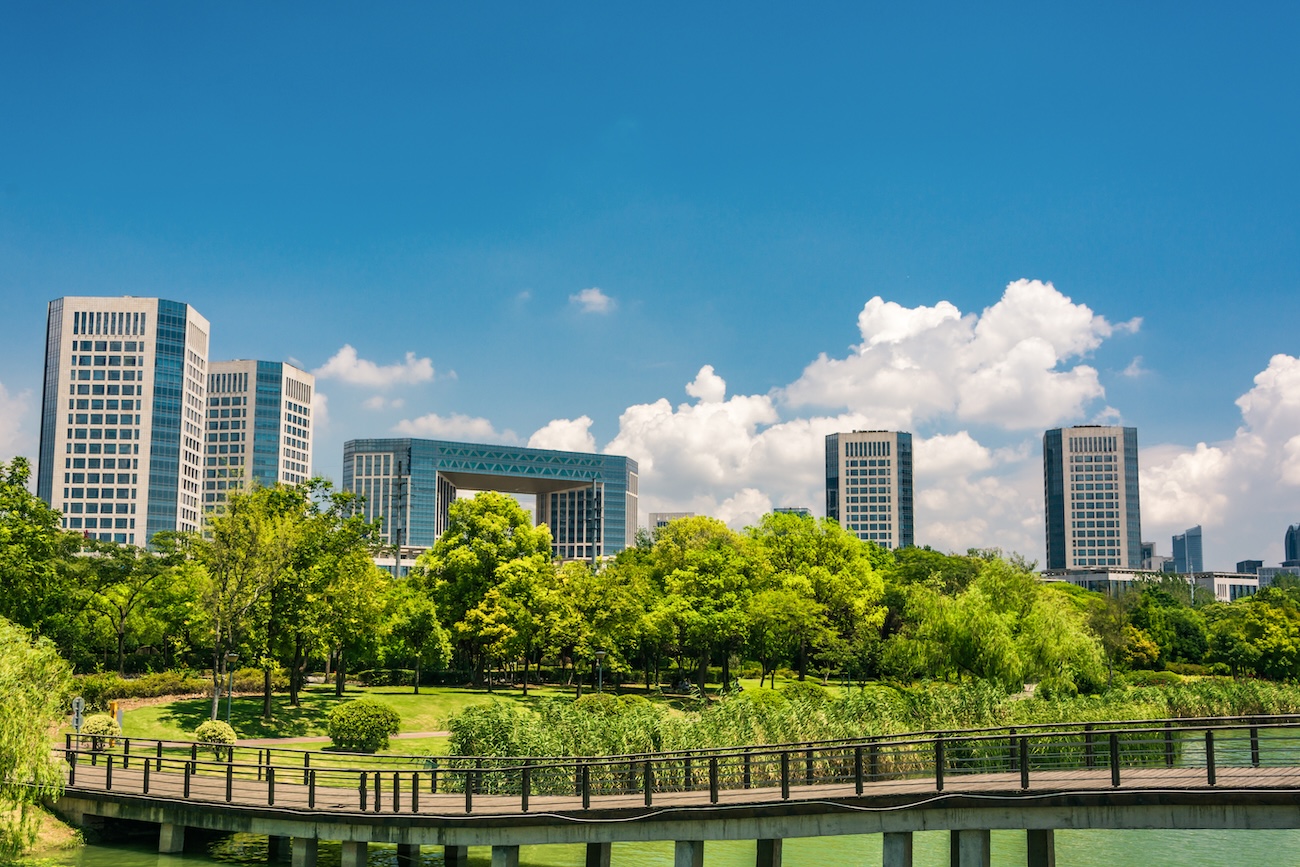
SITES guides, evaluates and certifies sustainability in the design, development and management of landscapes and outdoor spaces through a certification system. It is aimed at projects that prioritize the conservation and restoration of ecosystems and biodiversity on the site.
This certification is especially suitable for spaces such as public parks, university campuses, botanic gardens, common areas of condominiums, areas free of corporate headquarters, among others, that seek to create sustainable green environments that promote biodiversity and leisure.

WELL certification, created by the International WELL Building Institute (IWBI), focuses on promoting the health and well-being of building occupants. Its evaluation includes aspects such as air quality, water, lighting, thermal comfort, as well as nutrition and physical activity.
With a rigorous on-site verification process, WELL ensures that spaces promote health in a comprehensive manner, making it ideal for offices, commercial and educational spaces.

FITWEL it also promotes the well-being of occupants, focusing on aspects of design that improve health and good design for the movement of project users.
It is a more accessible and flexible option than other certifications, applying to offices, residential and commercial spaces that seek to improve the environment in an affordable way, promoting a healthy and comfortable environment for their users.
Each certification has its strengths, depending on the type of project and the objectives set. By understanding the differences and benefits of each one, you'll be able to make a more informed decision, ensuring that your project not only meets sustainability standards, but also increases its value, efficiency and the well-being of its users.
Opting for green certification not only meets sustainability standards, but also offers long-term benefits, such as the reduction of operating costs thanks to energy efficiency and savings in water consumption, the improvement of the project's reputation, and greater attractiveness for users and occupants who value healthy and sustainable spaces.
In addition, it can be a key factor in accessing green finance, government incentives and attracting investors who prioritize ESG (environmental, social and governance) criteria. A properly certified project not only minimizes its environmental impact, but also obtains competitive advantages in the market.
Leaf Global. Copyright © 2026. All rights reserved.