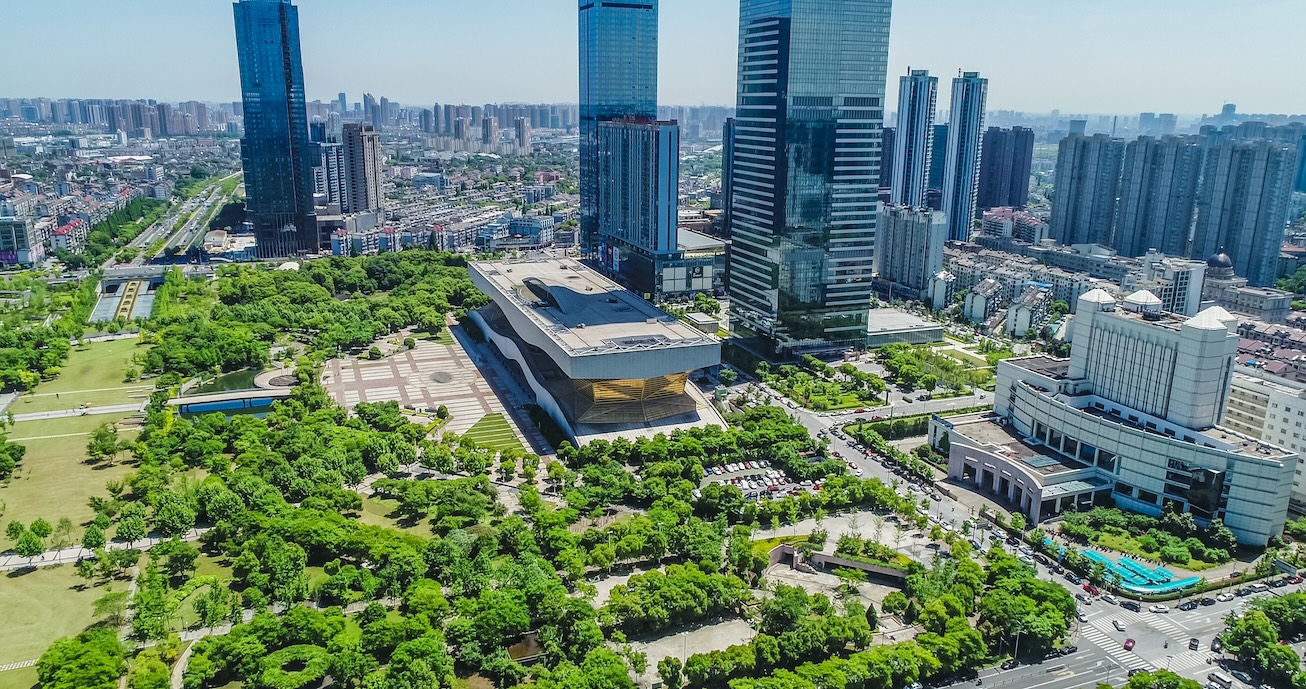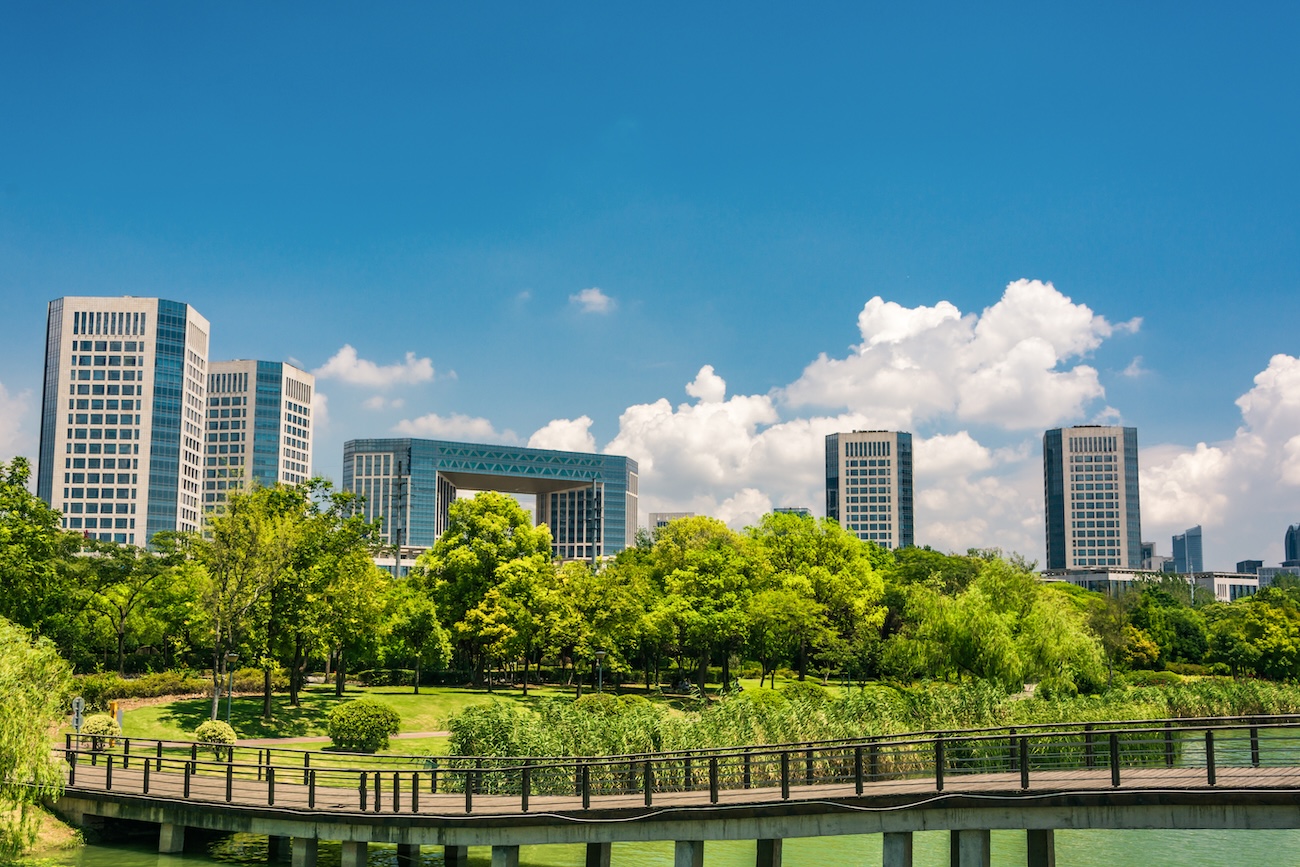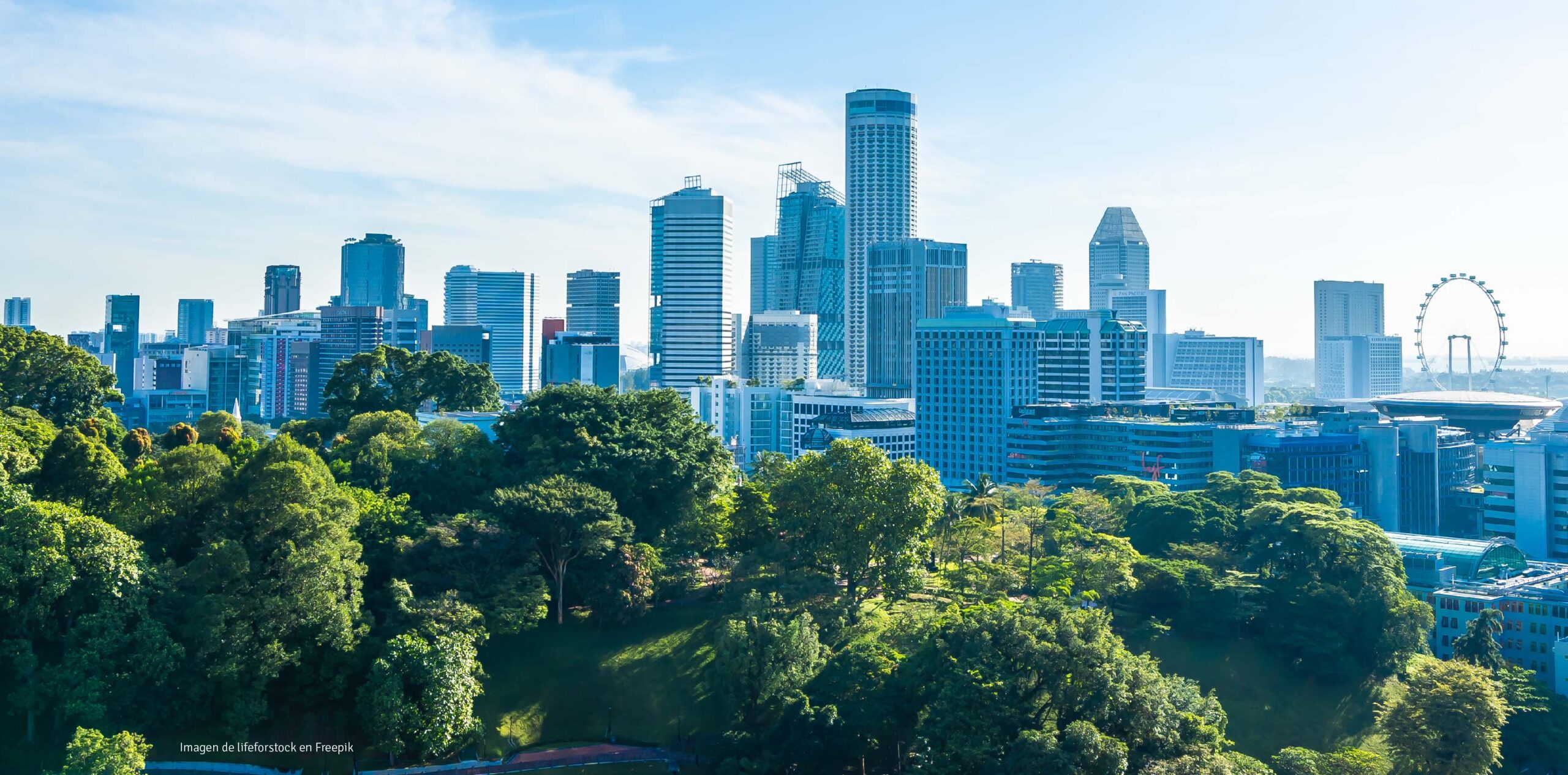
Sustainable cities have become a fundamental tool in the fight against climate change. These cities reduce their GHG emissions through adequate urban planning and management. In addition to minimizing their environmental impact, they contribute to improving the health and well-being of their inhabitants.
Here are some of the essential characteristics of a sustainable city:
Access to nature is essential in a sustainable city, since it improves the well-being and mental health of residents, in addition to air quality, biodiversity and the urban ecosystem. Some key measures include:
A sustainable city strives to reduce the consumption of water resources. Some key measures include:
Green architecture is essential in sustainable cities, since sustainable buildings can reduce their GHG emissions, reduce resource consumption and promote urban biodiversity. Some key measures include:
Urban agriculture favors local food production, reduces food insecurity and mitigates the environmental impact of transporting food, by shortening the distance between producer and consumer. Some key measures include:
Prioritizing sustainable mobility is crucial for reducing pollution and improving air quality in cities. Some key measures include:
Cities seeking to achieve carbon neutrality must integrate charging stations for electric vehicles into their sustainable urban planning. Some key measures include:
A sustainable city combines ecological practices, green spaces and intelligent technology, with urban and architectural design that reduces pollution, CO₂ emissions and energy consumption.
These strategies improve air quality, protect natural resources, optimize the use of materials and reduce waste generation. In addition, they create a healthy environment for the population and reduce the carbon footprint.



Sources consulted:Digi International
Leaf Global. Copyright © 2026. All rights reserved.