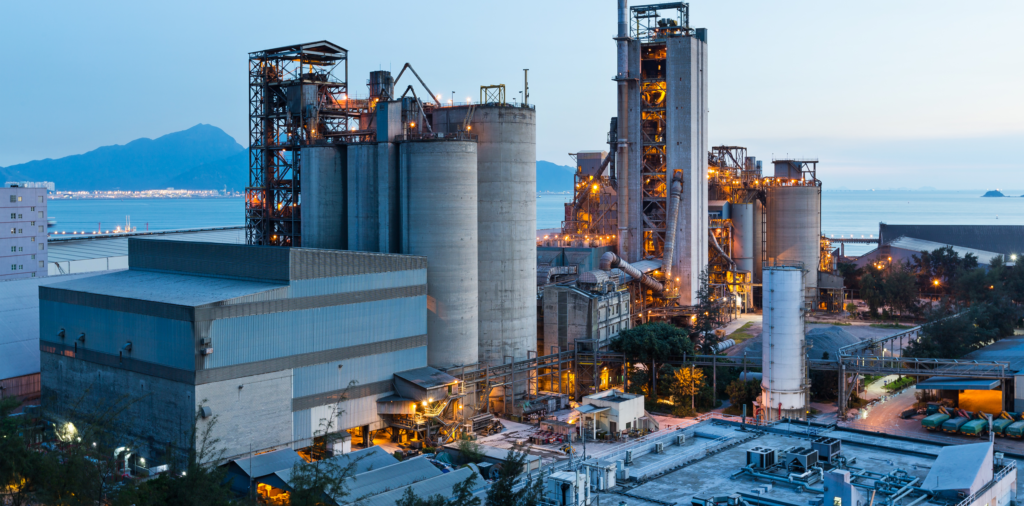
The integration of technological tools in transformation processes has been essential to optimize resources, time and costs in industries, generating high quality products and greater availability in the market. Although manufacturing has experienced innovations, the question arises: Why not also renew the design and construction of the factories?
Sustainability in the Mexican Industry
Until the end of 2018, Mexico registered more than 200 LEED industrial projects, covering manufacturing, distribution and storage. This sector is positioned as the second with the highest number of projects seeking LEED certification, reflecting the interest in reducing the environmental impact of industrial operations.
Importance of Industrial Maintenance
The benefits of industrial maintenance are fundamental and no company should consider it secondary. Despite the investment required, the advantages are considerable, including the reduction of production stoppages, prevention of irreparable damage, occupational safety, cost reduction, improvement in the quality of the activity and conservation of capital equipment.
Reasons to Adopt LEED Certification
Constant monitoring, recording of operations, maintenance of facilities and efficient consumption of resources are crucial for a smooth and profitable operation. The LEED Certification offers credits and prerequisites that allow monitoring and visualizing system consumption, detecting irregularities and making effective decisions to ensure an effective and sustainable operation.
Process of Executing an Installation
- Design Phase:
- It is recommended to hire a professional company and ensure that the project is approved by the corresponding Professional Association.
- Execution Phase:
- It is crucial to select qualified installation companies, verifying their documentation.
- Requirements for installation companies include expertise in the field, proven experience, qualified staff and signed guarantees.
- They carry out checks to ensure that the project complies with current regulations and carry out tests of use.
- Certification and Start-up Phase:
- The facilities are inspected for proper operation.
- In major installations, documentation is essential.
- Documentation such as the Final Installation Certificate or Technical Construction Management Certificate, signed by qualified technical personnel and approved by the Professional Association, is required.
- In some cases, the installation must be reported and registered in the appropriate administration record.
- Preventive Maintenance Phase:
- Every installation requires constant monitoring to avoid problems.
- The importance of having an up-to-date user manual and maintenance book is emphasized.
- Preventive maintenance offers advantages such as proper operation, prevention of costly problems, increased lifespan of equipment and machinery, improved system performance, prevention of occupational accidents, greater energy savings and equipment efficiency, and reduced insurance premiums.
- Periodic Inspection Phase:
- Inspections must be carried out according to the regulations and the established schedule.
- It is advisable to keep a detailed record of incidents and observations.
- Take corrective measures to remedy deficiencies, including verifying corrections and their effectiveness.