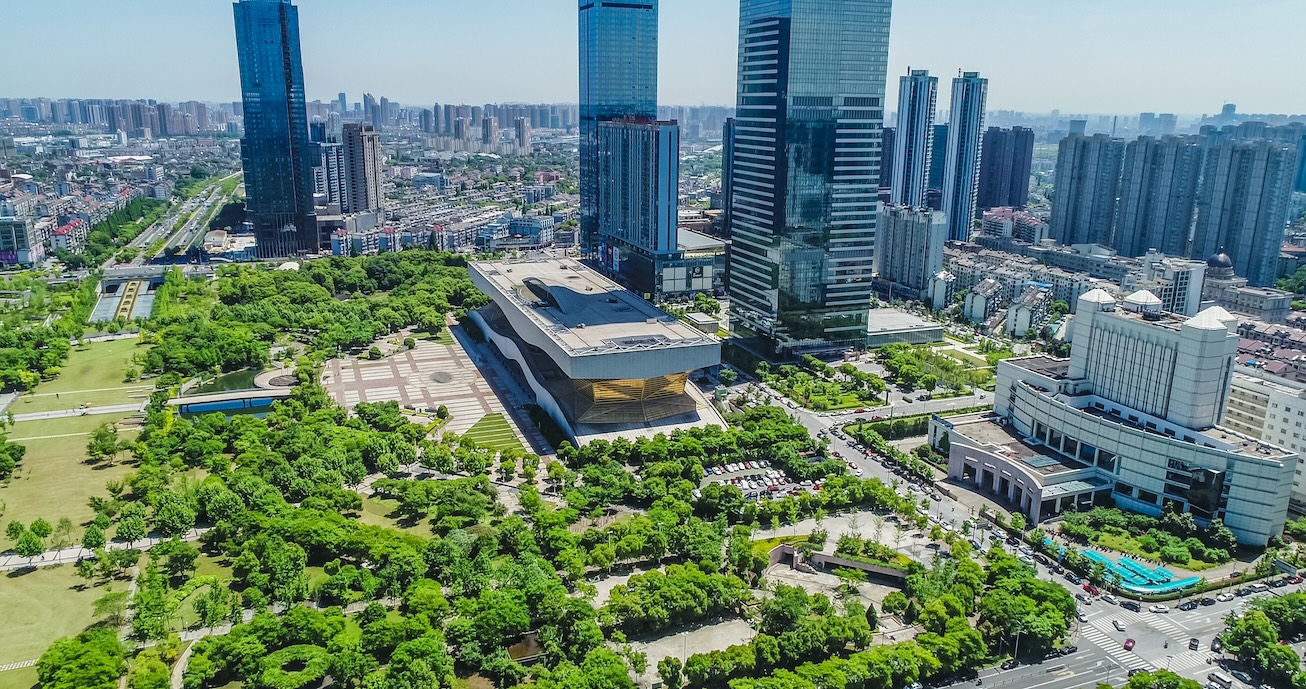

CapitaSpring Tower in Singapore. Taken from admagazine.com
Smart cities represent the future of urban development, combining technology, energy efficiency and sustainable design to improve the quality of life of their inhabitants. The pillars of sustainable construction are fundamental to this process.
These cities use sensors, big data, artificial intelligence and efficient architecture to optimize resources, reduce environmental impact and promote more equitable development.
In the context of sustainable construction, smart cities integrate buildings with high energy performance, resilient infrastructures and sustainable mobility. All this with the objective of minimizing carbon emissions and improving efficiency in the use of resources.
Sustainable construction is an essential pillar in the creation of smart cities, and its impact on the quality of life of citizens is undeniable.
By focusing on minimizing the environmental impact of buildings and promoting energy efficiency, sustainable construction not only protects the environment, but also improves the well-being of the people who live in these cities.
One of the main benefits of sustainable construction is the reduction of energy and resource consumption. Buildings designed with advanced technologies and environmentally friendly materials consume less electricity and water, which translates into lower operating costs and a lower carbon footprint.
Effective uses of advanced technologies in sustainable construction are key to tackling challenges such as environmental degradation and social inequality.
In addition, these buildings often incorporate ventilation and air filtration systems that improve indoor air quality, which in turn has a positive impact on the health of the occupants.
Sustainable construction also contributes to the reduction of the greenhouse effect, since energy efficient buildings emit less polluting gases. Not only does this help combat climate change, but it also creates cleaner and healthier urban environments.
The efficiency and productivity of workspaces and living spaces are also increased, as well-designed and sustainable environments promote the well-being and comfort of their users.
In short, sustainable construction is essential to improve the quality of life in smart cities, creating healthier, more efficient and environmentally friendly environments.
Efficient resource management is an essential pillar for the sustainable development of smart cities.
These cities must implement innovative strategies to reduce resource consumption, minimize waste and promote energy efficiency. A clear example is the use of technologies such as LED lighting, which not only reduces electricity consumption, but also decreases the carbon footprint.
In the area of water, smart cities can optimize their use through real-time monitoring systems that detect leaks and manage supply more efficiently.
In addition, the promotion of the circular economy is crucial: encouraging the reuse and recycling of materials helps to reduce the amount of waste that ends up in landfills, thus contributing to a cleaner and more sustainable environment.
Technology plays a fundamental role in this efficient management. Intelligent resource management systems allow cities to monitor and control resource consumption in real time, identify areas for improvement and optimize resource management.
Not only does this improve sustainability, but it can also generate significant savings in operating costs, which can be reinvested in other areas to improve the quality of life of citizens.

Hotel ParkRoyal in Singapore. Taken from admagazine.com
A smart city integrates these technologies and strategies to improve the quality of life and the efficiency of services in urban areas.

Image taken from seystic.com
Smart cities rely on a variety of technologies to achieve sustainability:
Smart cities depend on security and transparency for their success. Protecting citizens and critical infrastructure is a priority, as is building trust between authorities and the population.
Smart cities implement advanced technologies to improve safety through surveillance, data analysis and rapid incident response. Some key strategies include:
However, implementing these technologies poses challenges, especially in terms of privacy and protection of personal data. It is crucial to find a balance between surveillance and citizen rights.
To promote trust and collaboration between citizens and authorities, smart cities must ensure transparency in resource management and decision-making. This is achieved by:
A key challenge in this regard is the cybersecurity, since greater digitalization involves risks of data manipulation and computer attacks.

Taken from grupoapcorpsac.com
The Building Management System (BMS) is a key tool in the efficient management of buildings within smart cities.
This system allows the automation and centralized control of the different facilities of a building, such as air conditioning, lighting, security and electrical systems.
A BMS optimizes energy use and improves occupant comfort by automatically adjusting environmental conditions according to occupancy and specific needs.
In addition, it provides real-time data on energy consumption and system performance, allowing building managers to make informed decisions to reduce costs and improve efficiency.
The implementation of a BMS not only contributes to the sustainability and energy efficiency of buildings, but it also improves the quality of life of the inhabitants by creating more comfortable and adaptable environments.
Smart cities have the potential to generate significant economic impact both regionally and nationally.
Implementing advanced technologies and sustainable management strategies in a smart city can attract investment and create jobs in key sectors such as technology, renewable energy and sustainable construction.
In addition, by improving the quality of life of citizens, smart cities become poles of attraction for talent and companies.
An attractive and sustainable urban environment not only enhances the city's competitiveness, but also increases its attractiveness to investors and visitors. This, in turn, can boost economic growth and innovation.
Smart cities can also reduce management costs and improve efficiency in delivering public services.
Real-time automation and monitoring allow for more efficient management of resources, which can generate significant savings for the city.
These savings can be reinvested in projects that further improve the quality of life of citizens, creating a virtuous cycle of sustainable development and economic prosperity.

Excerpted from universoAbierto.org
- Although the following cities are not in the first places in the global ranking, they continue to be prominent examples in the implementation of smart city initiatives:
Every smart city implements technologies and strategies to improve the quality of life and the efficiency of services in urban areas.

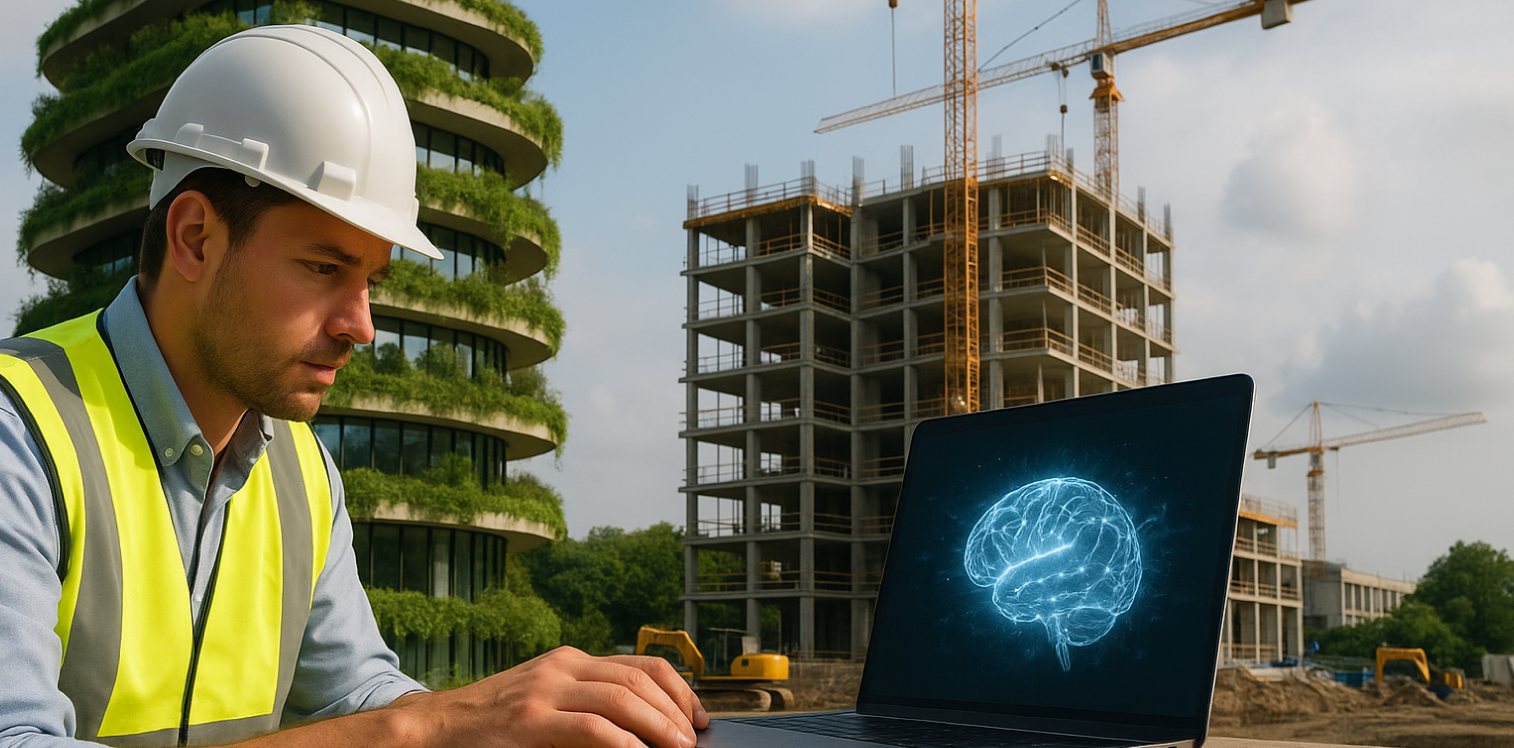
Built with AI
The development of smart cities is redefining the way we build and inhabit urban spaces. The combination of technology, green infrastructure and energy efficiency will create more resilient and sustainable environments.
As more cities adopt these approaches, sustainable construction becomes a fundamental pillar for achieving more livable, efficient and environmentally friendly cities.
Leaf Global. Copyright © 2026. All rights reserved.